
Mosquito Control Program
West Nile Virus (WNV)
About 1 in 5 people who are infected develop a fever and other symptoms. About 1 out of 150 infected people develop a serious, sometimes fatal, illness. Cases of WNV occur during mosquito season, which starts in the summer and continues through fall. WNV is contracted from a mosquito bite of the Culex species which are day time or night time biters. There are no vaccines known to work at this time.
Symptoms
-
Most people infected do not feel sick if they contract WNV (8 out of 10)
-
Mild symptoms (1 out of 5) include: fever, headache, body aches, joint pains, vomiting, diarrhea, or rash. Most people with this type of West Nile virus disease recover completely, but fatigue and weakness can last for weeks or months.
-
Serious symptoms (1 out of 150) include: develop a severe illness affecting the central nervous system such as encephalitis (inflammation of the brain) or meningitis (inflammation of the membranes that surround the brain and spinal cord).
See a healthcare provider if you develop any symptoms above, as they can order tests for WNV. Over-the-counter pain relivers can be used to reduce fevers/relieve some symptoms

La Crosse Encephalitis
La Crosse encephalitis is a mosquito-borne viral disease caused by the La Crosse virus. Most people infected have no symptoms, but some—especially children under 16—can develop severe neurologic illness. There is currently no vaccine or specific antiviral treatment, so prevention relies on reducing mosquito exposure.
Symptoms
-
Fever
-
Headache
-
Nausea
-
Fatigue
-
Seizures
-
Disorientation
These symptoms can progress very quickly, and early medical attention is crucial. If you or someone you know exhibits these symptoms, especially during mosquito season, seek medical care immediately.
Prevention
Mosquito Bite Prevention
Ways to reduce the risk of mosquito bites include wearing long sleeve shirts/pants, using insect repellent, avoiding areas with standing water sources. For children, dress them in long clothes, cover stroller/baby carrier with mosquito net, follow the label on repellent to apply properly.
*If you are also applying sunscreen, apply sunscreen FIRST then repellent
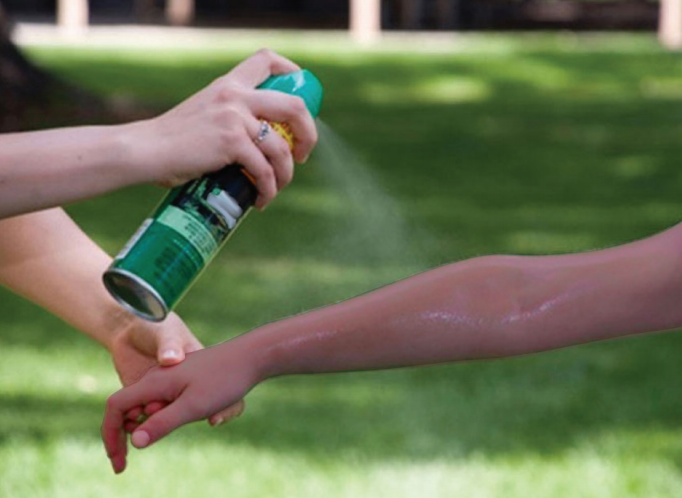
Insect Repellent
Always read the label and warnings to decide if repellents are appropriate for children or not. When applying on children, adults need to spray on hands and gently rub on child’s face avoiding the eyes, mouth, nose, and cuts.
To find the EPS-approved list of repellents for mosquitos and ticks, please go to https://www.epa.gov/insect-repellents/find-repellent-right-you
Population Control
To reduce your risk OUTSIDE your home things to practice include:
-
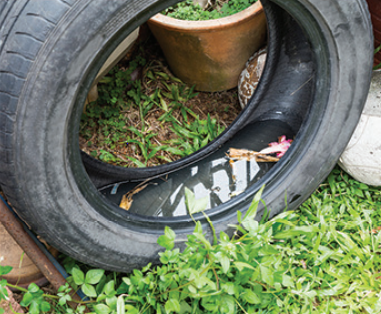
Once a week, scrub empty, cover, turn over and remove standing water from household items like buckets, tires, birdbaths, pools, flowerpots (as it acts as a breeding ground)
-
Tightly cover water storage containers (buckets, cisterns, rain barrels) so mosquitoes cannot get inside to lay eggs.
-
For containers without lids, use wire mesh with holes smaller than an adult mosquito.
-
Fill tree holes to prevent them from filling with water.
-
If you have a septic tank, repair cracks or gaps. Cover open vent or plumbing pipes. Use wire mesh with holes smaller than an adult mosquito.
To reduce risk INSIDE your home things to practice include:
-
Install/repair or use window and screen doors
-
Close doors (including garage doors) do not leave doors propped open
-
Use air conditioning when possible
-
Once a week, scrub empty, cover, turn over and remove standing water from household items like vases and flowerpots (as it acts as a breeding ground)
-
Hire a pest control professional to treat places inside your home
Hours of Operation!
Monday – Friday
8:00am – 4:00pm
CONTACT
PHONE
(740)962-4572
Fax Number
(740)962-3271
environmental@morgancountyohio.gov
ADDRESS
4275 N State Route 376,
McConnelsville, Ohio 43756